
Summer is right around the corner — and with it comes the heat and humidity. Many parents are already switching out their children's sleepwear for something cooler and more breathable. After all, there's nothing worse than a restless night caused by overheating and night sweats.
That's why more and more moms and dads are turning to bamboo fiber pajamas. Lightweight, breathable, and naturally cool to the touch — bamboo has quickly become the go-to fabric for hot summer nights.
So, what makes bamboo so breathable?
When magnified thousands of times under a microscope, bamboo fiber looks completely different from cotton or polyester.
-
Unique cross-section & honeycomb micro-pores: Unlike cotton’s dense structure, bamboo viscose fibers have an irregular, porous shape. They contain tiny lengthwise channels, like a honeycomb.
-
Powerful capillary effect: These countless micro-pores act like natural "capillary tubes." When your child sweats, the fabric absorbs the moisture right away. It then wicks it to the surface, where it dries fast.
In simple terms, Bamboo fabric is like a mini building with built-in exhaust windows. Air flows freely, moisture doesn't stand a chance — so even with a lightweight feel, it never sticks to the skin. Lightness and breathability, perfectly combined.
Why does bamboo feel "naturally cool" on the skin?
That instant cool sensation you feel when touching bamboo fabric comes from two key physical properties:
-
High thermal conductivity: Bamboo conducts heat better than cotton. Think of it as a "heat mover" — it quickly transfers warmth away from the body, helping your little one stay cool.
-
Higher moisture regain: Moisture regain is how well a fiber absorbs moisture. Cotton sits at around 8.5%, while bamboo viscose reaches about 13%. This means bamboo holds a small amount of moisture that absorbs and carries away body heat. This creates a lasting cooling effect.
Meet Easweet — Bamboo Loungewear Designed for Little Ones
Easweet specializes in bamboo fiber loungewear for babies and toddlers. Our collection includes:
Every Easweet garment goes through rigorous quality testing to ensure it's completely free of chemical residues. All accessories — like buttons and zippers — are carefully tested to be safe, secure, and free of heavy metals.
Easweet is also OEKO-TEX® STANDARD 100 certified — meaning our production environment is safe, responsible, and eco-friendly.
Looking for the perfect summer sleepwear? Check out our best-selling styles — your little ones will thank you.
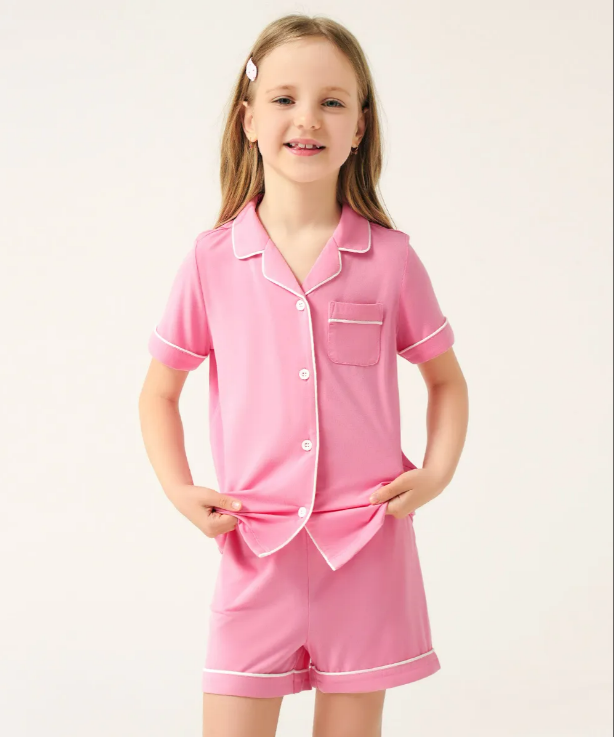
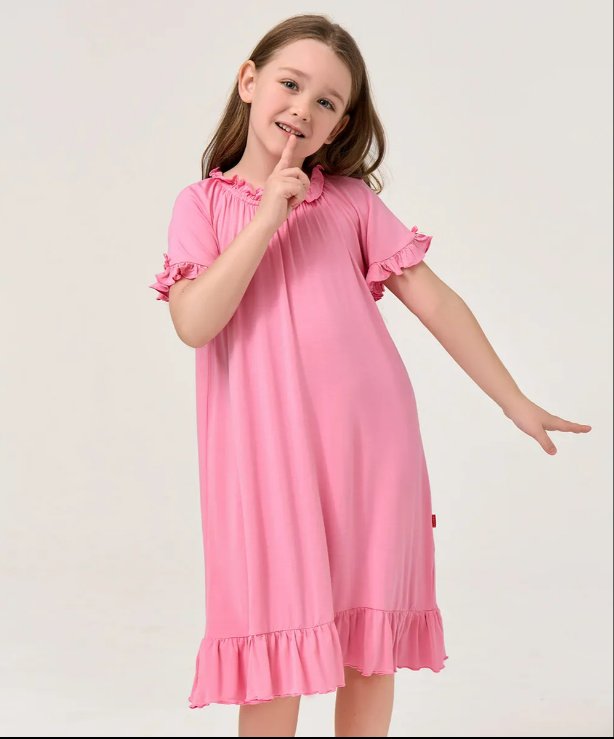
Classic short-sleeved shorts bamboo fiber pajama set
Available in multiple colors and prints — and loved by girls ages 8–14. The classic style never goes out of fashion. Plus, the pants feature two pockets for a practical touch that moms and kids both appreciate.
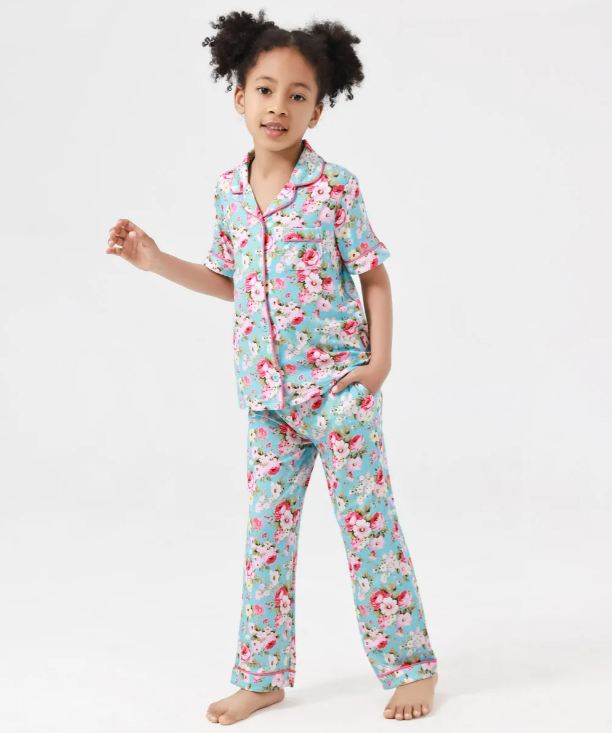
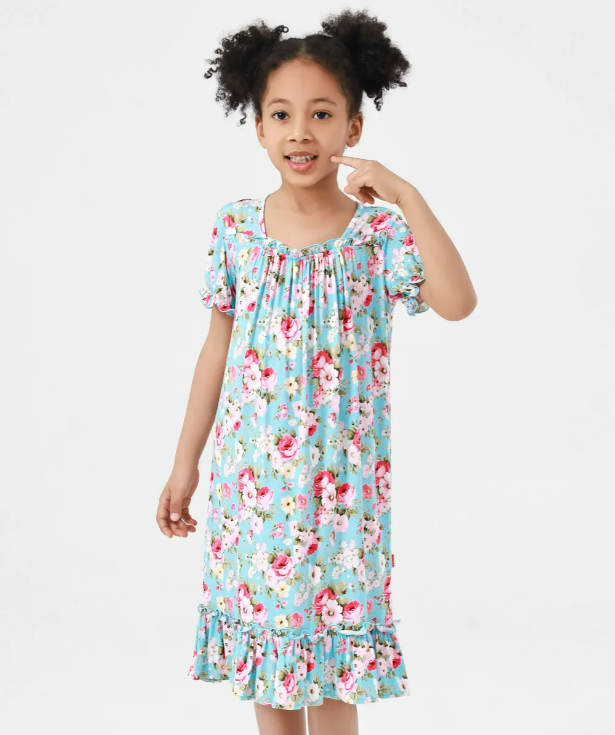
Bamboo floral short-sleeved and long-legged pajama set
The lifelike floral prints are a favorite among girls ages 8–14. The pants feature side pockets — practical for little hands and small treasures. Made from bamboo fiber, this pajama set feels as soft as butter and stays comfortable even in summer. Yes, even the long pants — breathable, lightweight, never stuffy.